
You might well be, at your current level, an SME and a clear functional success, but the next step requires something different – not simply more of the same. Here’s what some executives tell us.
A reality check … you need to be more than just good at what you do functionally
For those who aspire to the most senior levels in their organisations, there are some “reality checks” to be learned from the characteristics that executives see as essential for that next big step. In summary, while the starting point will be as a respected expert, development into the most senior roles close to the executive level now centres on making the leadership transitions necessary to consistently perform as an enterprise leader, emphasising clarity, self-awareness, emotional intelligence, and leading through others. The odds are that, having reached a successful stage, this latter quality will already have been demonstrated. However, stepping away from “doing the doing” is a difficult transition for many, as the importance of these leadership shifts implies. In addition to delivering against valued business goals, the aspiring senior will also need to be a regular senior-facing representative (i.e. on the succession radar), if not already. This may also entail engaging credibly with executives and external stakeholders. This context matters because the focus is not on technical capability or the quality of insight alone, but on scale, leadership presence, and influence at enterprise level.
Some leadership themes

In essence, this is about the move from expert authority (or top sales professional, IT specialist, or financial expert) to enterprise leadership. A prerequisite is strong credibility, rigour, and depth of insight. However, the next leadership shift is about continuing the move from being the expert to operating consistently as an enterprise leader—setting direction through others, rather than leading primarily through personal analysis. As is the case in any career pivot point, the key transition skills involved here may well be different from those that have brought the individual to this point. They include ownership of multiple, complex insight streams and increasing exposure at executive level, where judgement, prioritisation, and leadership stance matter as much as the evidence presented to support an opinion. The shift required here is from delivering insight to defining what the organisation should do with it. It also entails leading with clarity—defining, not defending, the functional agenda the senior leader is responsible for.
Leading with intent
As suggested, one of the most critical leadership qualities is leading with clarity of intent. As the business agenda becomes more central, the senior leader’s impact increasingly comes from defining priorities boldly and simply, rather than explaining or defending complexity. To do this successfully, three key skills underpin the ability to get to the heart of issues and solutions. The first is being clear on what matters most for the business (both within the function and across the wider organisation), and why. The second is making explicit choices and trade-offs, and explaining the reasoning behind them. The third is adapting content to drive discussion with any given audience, particularly at executive level.

Operating at executive level and messaging
This capability is also key, as the leader —having embarked on a successful transition— is now operating closer to the executive layer and must align with well-established principles of leadership that are joined-up, confident, and crystal clear on value. A core component of this is developing executive influence through narrative discipline (i.e. selecting the key narratives that define strategy, rather than simply reacting to events), alongside strong self-awareness. The most significant step change in impact here often comes from simplifying complex insights into a small number of compelling, executive-ready narratives that translate easily and support clear decision-making.
Self-awareness as a guide to impact
There are several underlying elements that shape this self-awareness of leadership impact. These include understanding how the senior leader’s style, energy, and level of detail land with different audiences; knowing when depth adds value and when it dilutes the message; and using judgement and narrative authority, rather than data volume, to lead. This is about accessibility, not dilution—enabling leadership insight to influence at pace. As business challenges become increasingly complex, the leadership growth required centres on confidence in judgement when data are incomplete, and the ability to hold a clear position in ambiguous or contested environments. At the next senior level, influence increasingly comes from how calmly and clearly uncertainty is navigated.

Getting the dynamics right
The key watchwords here are to inspire with care, using emotional intelligence and energy as leadership levers. With increased seniority, emotional intelligence becomes a leadership multiplier, both personally and for the team. The development focus includes three qualities: managing personal energy in a way that energises others—particularly other senior leaders; demonstrating presence, confidence, and composure; and ultimately modelling the behaviours and experience that we want others to feel and emulate.
Scaling impact through others, from activity to focused impact
Another phase of leadership growth is about shifting the team from activity to impact. This involves reducing unnecessary activity, distraction, and overload; sharpening focus on what matters most; and accelerating the team’s ability to demonstrate executive-ready thinking, clear choices, and accessibility. It also entails building leadership depth within the team and using strong internal relationships to amplify impact, with the goal of making a material step change in how the function is experienced at senior levels and how the individual is perceived.
What success would look like
There are clear themes here, including operating with greater confidence at an enterprise level, behaving as a strategic leader, leading with clarity, adapting instinctively to audience needs, and creating space for others to step up. The measures that executives will be looking for include: clearer, more decisive executive narratives; stronger judgement under uncertainty; evidence of being (and being seen as) a broader business leader beyond one’s functional area; and leading —not just managing— a team that delivers impact through focus, energy, and shared leadership.

In summary
The content here reflects the key characteristics that executives look for in those who are likely to step into the most senior roles and potentially into the executive itself. Given that being an executive in any sizeable organisation demands threefold accountability (functional leadership, trusted advisory, and enterprise management), it is clear why the characteristics outlined above are so important.
About The Author
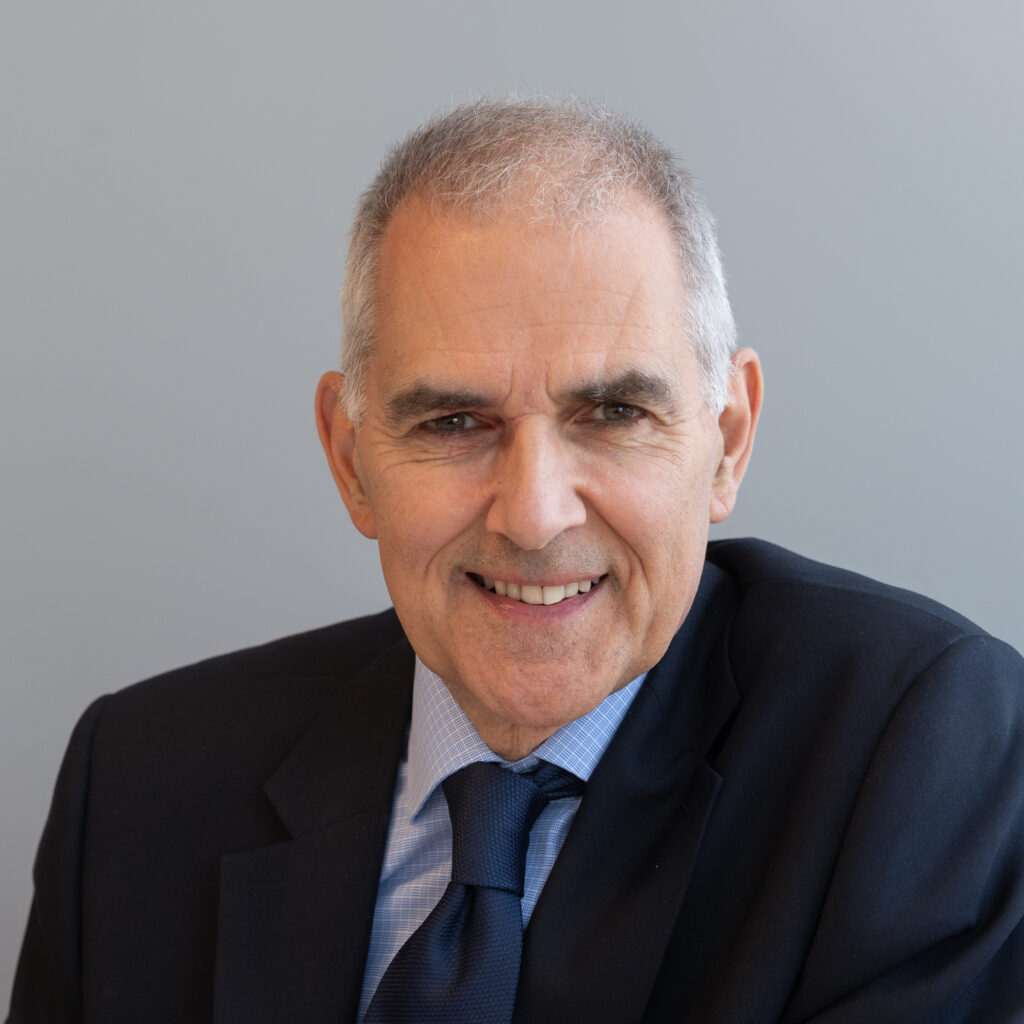
Dr. Steve Sloan is an acknowledged leadership expert and consultant who has over 20 years’ experience advising clients globally.
He can be contacted via email or by calling 07585 548420